
When a Memphis winter sets in, the fundamental question for every rental property owner is this: Does a landlord have to provide heating? The definitive answer is yes. Landlords are legally required to provide a permanent, functioning heating system–this is a core obligation under the city’s warranty of habitability, not a negotiable amenity.
The financial and legal stakes for non-compliance are severe. Failure to provide adequate heat is a primary trigger for tenants to exercise powerful rights, including rent withholding or lease termination.
Proactive management is more critical than ever; federal forecasts, such as the U.S. Energy Information Administration’s Winter Fuels Outlook, analyze the key factors driving home heating costs each season, making system efficiency a direct factor in protecting your investment’s profitability and legal standing.
Read the details of the specific housing regulations Memphis enforces, clarify your responsibilities, and provide the actionable strategy needed to ensure compliance, protect your residents, and safeguard your asset from costly disputes.
Understanding Memphis-Specific Heating Regulations
Memphis landlords must comply with both Tennessee state law and local city codes. The cornerstone of these regulations is the Memphis Housing Code, which explicitly requires that every dwelling unit have heating facilities.
Key Legal Requirements
Landlords must provide a permanent heating system that can maintain a minimum temperature of 68°F in all habitable rooms. Portable space heaters do not satisfy this legal requirement as a primary heat source.
All heating equipment must be properly installed, maintained, and vented to the outside to prevent carbon monoxide poisoning–a severe liability risk. This is a non-negotiable part of your legal obligations landlords must fulfill.
The Warranty of Habitability
This legal doctrine is your overriding responsibility. It’s an unbreakable promise that the property is fit for human occupancy. A lack of adequate heating is a direct breach of this warranty.
When breached, tenants have powerful legal recourses designed to force compliance, directly impacting your income and control of the property. Understanding this framework is essential for all rental property heating management.
Tenant Rights in Memphis When Heating Fails
If the heating system fails, residents are not without options. They have several legal paths to ensure their home becomes habitable again.
Legal Recourses for Tenants
Tenants may choose to repair and deduct the cost from rent after providing written notice, withhold rent into a court escrow account, or break the lease if the unit is uninhabitable.
They can also report the issue to Memphis & Shelby County Code Enforcement, which can trigger an inspection, a violation notice, and potential fines for the landlord. For a life-safety issue like no heat in winter, “reasonable time” for a fix is measured in hours or a couple of days.
Does a Landlord Have to Provide Heating Efficiency?
Meeting your legal duties requires a shift from reactive fixing to proactive management. A scheduled maintenance plan is the most effective strategy.
Annual Professional Inspection and Maintenance
Schedule a certified HVAC technician to inspect and service the entire heating system every fall, before October 15. This should include:
- Cleaning the heat exchanger
- Checking thermostats
- Inspecting flues
- Changing air filters
Request a detailed service report for your records. This documentation proves proactive maintenance and is crucial for legal protection.
Clear Communication and Resident Education
Your lease should explicitly state the landlord responsibilities for maintaining the primary heating system. It should also outline resident duties like changing air filters monthly and immediately reporting any loss of heat.
Provide this information in a resident handbook or move-in guide. This documentation is invaluable if a dispute arises over the cause of a malfunction.
An Effective Repair Notice Process
Establish a clear, documented system for repair submissions, accessible to residents at all times. A professional system should include immediate acknowledgment of the request, a transparent estimated response time, and proactive status communication until resolution. This methodology minimizes resident dissatisfaction and fosters long-term trust.
Core components of an effective system are:
- A dedicated online reporting platform or telephonic hotline
- Automated request confirmation and transparent tracking
- A defined escalation procedure for urgent or emergency maintenance
Budgeting for Repairs and Replacement
Heating systems have a finite lifespan. Proactively budget for both annual maintenance and a capital reserve for full system replacement.
A sudden mid-winter system failure requiring a major replacement is a financial emergency–planning for it is savvy rental property maintenance. This foresight is a key part of responsible rental property heating management.
Responding to a Heating Emergency: A Step-by-Step Protocol
Having a clear action plan for a no-heat emergency is as important as preventative maintenance. It:
- Limits liability
- Reduces vacancy risk
- Demonstrates good faith to residents and courts
Immediate Acknowledgement and Assessment
Time is your most critical resource. Acknowledge a resident’s complaint within two hours, even if only to confirm receipt and set a timeline for the next step. This immediate response is documented proof that you did not ignore the habitability issue.
Dispatch your pre-vetted HVAC contractor for an emergency diagnostic. Their first task is to determine if it’s a simple reset, a faulty thermostat, or a major component failure. This triage dictates your next move and communication to the resident.
Providing Temporary Heat and Managing Repairs
If the repair will extend beyond a few hours, especially overnight, provide a temporary, safe heat source. For a single-family home, dropping off two UL-listed, oil-filled radiant heaters is a responsible stopgap. In multi-unit buildings, you may need to arrange for portable electric heaters for affected units.
Communicate a clear, written timeline for permanent repair. If a specialized part must be ordered, state the expected delivery and installation date. This transparency can prevent a resident from escalating to legal action, as it shows you are actively solving the problem.
Advanced Considerations for Memphis Landlords
Managing your heating effectively involves understanding:
- System types
- Ancillary safety laws
- Nuanced resident relations
Different systems have different needs.
Navigating Different Heating System Types
Memphis properties utilize various systems, each with distinct maintenance needs. Your lease should specify the type of primary heating system.
- Central Gas Furnaces: Require annual inspection to check the heat exchanger for cracks and ensure proper venting
- Heat Pumps: Common in newer builds, they require biannual service by a technician familiar with the technology
- Electric Baseboard/Wall Heaters: Ensure they are free of dust/debris, and that wiring is safe
- Boiler Systems: Maintenance involves bleeding air from lines and ensuring the boiler is serviced annually
The Critical Role of Carbon Monoxide Detectors
Tennessee law mandates that any rental property with a fuel-burning appliance or an attached garage must have a functioning carbon monoxide (CO) detector installed outside each separate sleeping area.
This is a separate and critical legal obligation. Best practice is to test detectors during each unit turnover and include a clause in the lease making residents responsible for monthly testing and immediate reporting of failures.
Managing Disputes Over Utility Bills and Thermostat Use
Conflicts often arise not from broken systems, but from high utility costs. Proactive measures can mitigate this. The lease must unequivocally state who pays for heating utilities.
To prevent excessive wear, your lease or house rules can include a reasonable heating range. Installing a locking thermostat cover in common areas of multi-unit buildings is a common, legal practice to prevent tampering that affects other units.
Maximizing Efficiency to Reduce Costs and Complaints
An efficient heating system is a strategic asset. It lowers operating costs, minimizes resident complaints about high bills, and extends the equipment’s lifespan, directly protecting your bottom line.
Cost-Effective Efficiency Upgrades
Not all improvements require a full system replacement. Targeted, affordable upgrades can yield significant returns. Start by sealing ductwork in attics and crawl spaces, which can account for major heat loss.
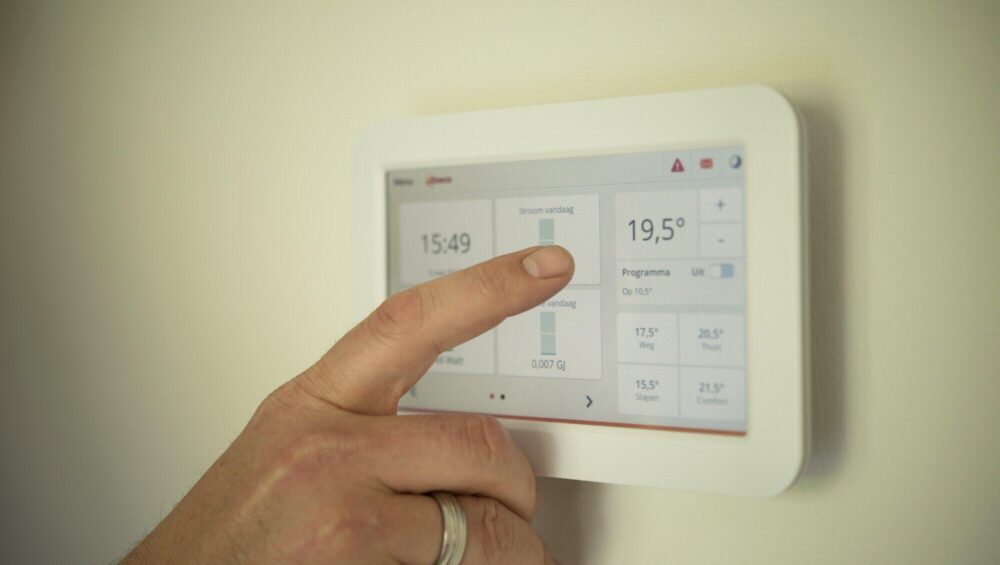
Installing a programmable or smart thermostat allows for better temperature management. For older furnaces, a simple upgrade like installing a variable-speed blower motor can improve efficiency and air circulation. These upgrades demonstrate a commitment to quality that can justify premium rent and improve tenant retention.
The Landlord’s Guide to Smart Thermostats
Smart thermostats offer unique benefits for rental properties. They provide remote temperature monitoring, ensuring the heat is on during winter occupancy. You can set enforceable temperature ranges to prevent system abuse while guaranteeing the 68°F minimum.
Most models provide usage reports, offering data-driven insights if a dispute arises over consumption. When installing one, update your lease with a clear addendum regarding its use, maintenance, and the fact that it is property of the management, not to be removed by the resident.
Financial Planning: Budgeting for Heating Systems
For the absentee owner, transforming heating from a variable crisis cost into a planned expense is the hallmark of professional property management.
The Annual Maintenance Budget
Allocate a specific annual amount per unit for HVAC servicing. For a standard gas furnace, budget $125 to $200 for a full fall tune-up and safety inspection.
This is a deductible operating expense that prevents costly failures and supports your legal defense of maintaining a habitable property.
The Capital Reserve for Replacement
Heating systems have a typical lifespan of 15 to 20 years. Proactively fund a replacement reserve by dividing the estimated replacement cost by the remaining expected life of the system.
When the old system fails, you have the funds to replace it without financial strain, avoiding desperate financing or deferred maintenance that could lead to habitability complaints.
Frequently Asked Questions
Can I Make My Tenant Pay for Heating System Repairs?
Generally, no. Maintenance and repair of the primary, built-in heating system are almost always the landlord’s responsibility. You can only charge the tenant if you can conclusively prove the damage was due to their intentional misuse or negligence, and your lease must allow for such charges.
What If the Heat Works but Is Very Expensive to Run?
If the system meets the minimum legal temperature standard, the complaint is about efficiency, not habitability. Your obligations are different. You can use this as an opportunity to discuss upgrades like adding insulation or installing a programmable thermostat to improve efficiency and resident relations.
Can I Install a Locking Thermostat to Control Temperatures?
Yes, with important caveats. You can legally install a locking thermostat cover to protect the system and manage common areas. However, you cannot use it to deny a resident the ability to achieve the minimum required heat (68°F). The locked setting must allow the unit to reach and maintain a legal, habitable temperature.
Who Is Responsible if a Tenant’s Negligence Causes the System to Fail?
If a technician’s report proves the failure was due to resident action, such as failing to change filthy air filters, you can hold the resident financially responsible. The repair cost can be deducted from the security deposit with proper documentation. Without this clear evidence, the cost defaults to the landlord.
Does Homeowners or Landlord Insurance Cover Heating System Failure?
Standard property insurance does not cover mechanical breakdown due to wear and tear or lack of maintenance; it is considered a preventable maintenance issue. Review your policy with your agent and rely on your maintenance reserve as your primary financial tool for rental property heating issues.
What Are the Penalties if Code Enforcement Gets Involved?
The Memphis and Shelby County Code Enforcement office can issue a formal Notice of Violation with a correction deadline. Failure to comply can result in accumulating daily fines.
In severe cases where the unit is deemed immediately uninhabitable, the city can relocate tenants at the owner’s potential expense and place a lien on the property for unpaid costs. Prompt, professional repair is the only way to avoid this escalation.
Proactive Management Is the Ultimate Compliance
So, does a landlord have to provide heating? Absolutely. But for the savvy investor, the goal is to exceed this basic mandate. The most successful landlords view their heating system not as a reactive repair item, but as a critical component of asset preservation and resident satisfaction.
This level of detailed, localized management is precisely what Reedy & Company delivers for Memphis property owners. Since 2002, we’ve built systems that prevent emergencies and ensure compliance with all housing regulations Memphis enforces.
We ensure your property operates with efficiency and reliability that retains good residents and protects your capital investment. Don’t let a winter emergency become a financial and legal crisis. Partner with Reedy & Company today and secure year-round comfort and compliance for your investment property.


